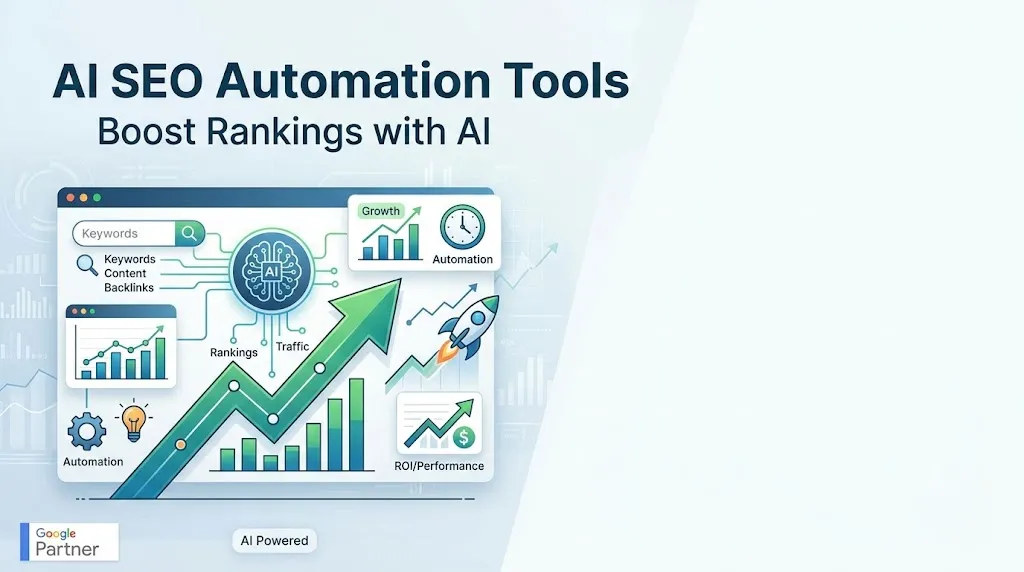
AI SEO Automation Tools: Boost Rankings with AI
I remember the days when SEO felt like manual labor. You’d spend weekends crawling through Excel sheets, tracking backlinks one by one, and manually checking meta tags across hundreds of pages. It was exhausting, and frankly, a lot of it was busy work. Fast forward to today, and the landscape has shifted dramatically. The buzz around AI SEO automation tools is impossible to ignore, but if you’ve been in this game as long as I have, you know that buzz often comes with a heavy dose of marketing fluff.
I’ve spent the last few years testing, breaking, and integrating various automation platforms into real-world workflows. Some saved my team dozens of hours a week; others nearly got a client site penalized. The truth about SEO automation isn’t black and white. It’s about knowing where to let the machine take the wheel and where you absolutely need to keep your hands on it.
The Real Promise: Where Automation Actually Shines
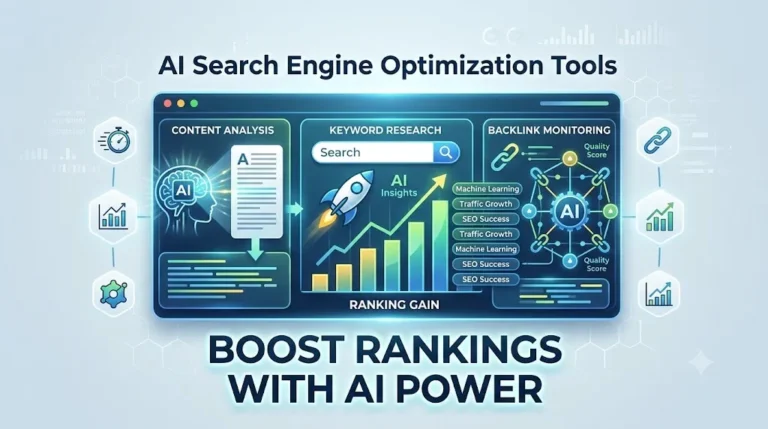
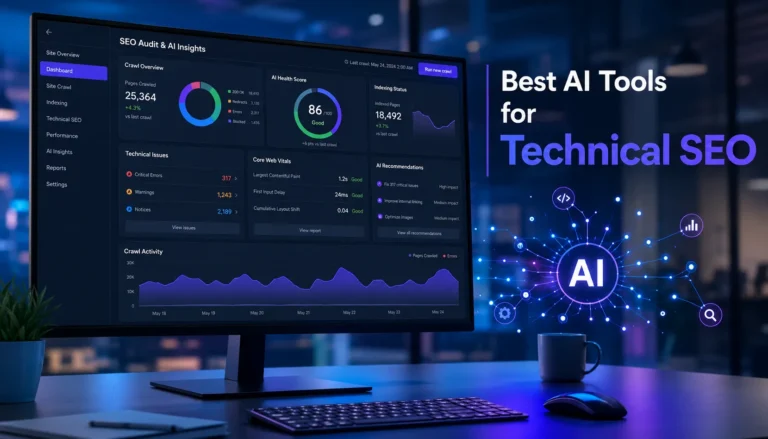
Let’s be clear: AI isn’t magic. It’s a lever. When used correctly, AI SEO automation tools excel at handling the repetitive, data-heavy tasks that drain human creativity. Technical audits are the perfect example. In the past, identifying broken links, missing alt text, or slow-loading resources required running bulky software and interpreting complex reports. Now, intelligent crawlers can scan a site overnight and prioritize fixes based on impact.
I recently worked with an e-commerce brand struggling with scale. They had over 5,000 product pages. Manually optimizing title tags and descriptions was impossible. We used an automation tool to generate initial drafts based on product data and keyword intent.
Here’s the catch: we didn’t just publish them. We used the AI output as a baseline, then had a human editor inject brand voice and verify accuracy. The result? A 40% increase in organic traffic within three months, not because the AI was perfect, but because it freed up our time to focus on strategy rather than data entry.
Keyword research is another area where these tools shine. Traditional methods involved guessing search volumes. Modern content optimization platforms use natural language processing to understand semantic relationships. You can also explore AI keyword research tools to automate and scale this process effectively.
They don’t just tell you what keyword to use; they suggest related topics that help search engines understand the context of your page. This aligns closely with how Google’s algorithms have evolved to prioritize topic authority over simple keyword matching.
The Trap: When Automation Becomes a Liability
However, there’s a dark side to this convenience. I’ve seen businesses fall into the trap of “set it and forget it.” They assume that because a tool says a page is optimized, it will rank. That’s a dangerous misconception. Search engine optimization is fundamentally about satisfying human intent, not just checking boxes on a scorecard.
One of the biggest risks is the homogenization of content. If everyone uses the same AI writing tools and follows the same automation recommendations, the web starts to look identical. Google’s Helpful Content Update was a clear signal that they value experience and originality. If your automation strategy strips away your unique perspective, you’re building on sand.
I recall auditing a site that was completely reliant on automated content generation. The technical SEO was flawless. The keywords were perfectly placed. But the content felt robotic. It lacked nuance, anecdotal evidence, or any real insight. Traffic plummeted after a core update.
The lesson was hard but clear: automation can handle the structure, but it can’t replicate human experience. You need to balance efficiency with authenticity.
Building a Human-Centric Workflow

So, how do you integrate AI SEO automation tools without losing your soul? It starts with viewing them as assistants, not replacements. My preferred workflow involves a “human-in-the-loop” system.
First, use automation for discovery. Let the tools find the opportunities whether that’s uncovering a gap in your competitor’s strategy or identifying a technical error. Second, use AI for drafting. Get the first 80% of the work done quickly. Third, and most critically, apply human refinement. This is where you add the stories, the expert opinions, and the ethical considerations that algorithms miss.
When selecting a tool, look for transparency. Does the vendor explain how their scoring works? Do they update their models when Google releases algorithm changes? Avoid tools that promise guaranteed rankings. No one controls the search engine except the search engine itself. Trust is built on realistic expectations, not false promises.
The Ethical Landscape and Future Proofing
We also need to talk about ethics. Automation makes it incredibly easy to spam. You could theoretically generate thousands of low-quality pages in a day. But just because you can doesn’t mean you should. Sustainable growth comes from building trust with your audience. If users feel tricked by clickbait titles generated by an algorithm, they won’t return.
Looking ahead, the rise of Search Generative Experience (SGE) and AI Overviews in search results changes the game again. Visibility might not always mean a click to your website. SEO automation will need to adapt to optimize for visibility within these AI-generated answers, not just traditional blue links. This means focusing even more on authority, citations, and structured data. Tools that help you manage schema markup and entity optimization will become just as important as keyword trackers.
Final Thoughts
The bottom line is that AI SEO automation tools are powerful assets, but they require a skilled operator. They can handle the heavy lifting of data analysis and initial content creation, but they cannot replace strategic thinking or genuine expertise. The brands that win in the next few years won’t be the ones that automate everything; they’ll be the ones that use automation to amplify their human strengths.
Don’t chase the shortcut. Use the tech to clear the noise so you can focus on what actually matters: creating valuable, trustworthy content that solves real problems. That’s a strategy no algorithm can fully automate.
FAQs
1. Are AI SEO automation tools safe to use?
Yes, provided you use them ethically. Avoid tools that generate spammy content or build low-quality backlinks automatically. Focus on tools that assist with research, technical audits, and content optimization while keeping human oversight.
2. Will using AI for content hurt my Google rankings?
Not inherently. Google states that they reward high-quality content regardless of how it’s produced. The risk lies in publishing unedited, generic AI content that lacks value or expertise. Always edit and verify AI-generated drafts.
3. What tasks should I automate first?
Start with technical audits and keyword research. These are data-intensive tasks where AI excels. Leave strategic planning and final content editing to humans to ensure quality and brand alignment.
4. Do I need multiple tools for a complete SEO strategy?
Often, yes. One tool might excel at technical crawling while another is better for content optimization. However, look for integrated platforms that reduce tool fatigue and keep your data in one place.
5. How often should I review my automation settings?
Search algorithms change frequently. Review your automation rules and content outputs at least quarterly to ensure they align with the latest search engine guidelines and your business goals.